
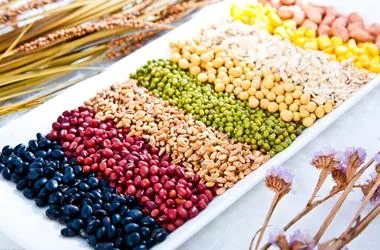
Every day, our diet revolves around grains and cereals — not only to fill the stomach, but to absorb the nutrients that keep the body running. More importantly, eating the right grains nourishes the five internal organs. As traditional Chinese medicine puts it, the five grains nourish the five organs — delicious and good for you.
-
Sorghum nourishes the liver. Sorghum and soybeans are coarse grains, yet indispensable supporting players among the grains. Sorghum is said to nourish the liver and stomach and to check diarrhoea; people with chronic diarrhoea, in particular, may benefit after eating it for a time. Best method: mill sorghum into flour, stir-fry it, then mix into a thin gruel with boiling water and take before breakfast and dinner each day.
-
Rice moistens the lungs.
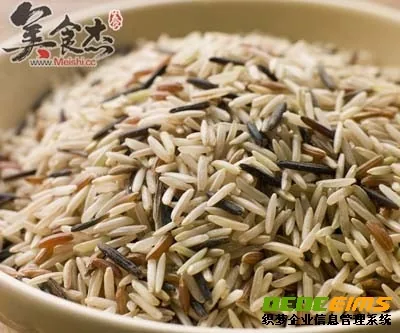
Rice — including white and purple varieties — is said to nourish yin and moisten the lungs when there is lung heat or coughing. Best method: simmer rice congee over low heat until the broth is thick; drink only the broth, not the grains, at any time.
-
Mung beans nourish the liver. Mung beans are sweet and cooling, a staple for clearing heat and detoxifying. Eaten regularly, they help expel toxins and promote normal metabolism. They can lower cholesterol and have liver-protecting and anti-allergy effects; stirring honey into mung-bean soup enhances the detoxifying effect.
-
Soybeans nourish the spleen. Soybeans are rich in saponins, which stimulate the secretion of bile acids that digest fat, aiding digestion and absorption. Their colour corresponds to the spleen; they are said to strengthen the spleen, replenish qi and make up deficiency, and regular consumption helps slow ageing — suitable for those with a sallow complexion or frail body.
-
Black soybeans nourish the kidneys. Black soybeans contain many antioxidants — especially isoflavones and anthocyanins — that help the kidneys expel toxins, and are said to tonify the kidneys, nourish yin, invigorate the blood, strengthen the sinews and bones, calm the mind and brighten the eyes.
-
White beans nourish the lungs. White kidney beans contain saponins, urease and various globulins, which help boost immunity, activate T lymphocytes and promote DNA synthesis, and are good for preventing the onset and recurrence of respiratory diseases.
-
Red beans nourish the heart. Red beans are high in dietary fibre, with good effects in moistening the intestines and easing constipation, lowering blood pressure and lipids, regulating blood sugar, detoxifying, helping prevent stones, and aiding healthy weight loss. They are also good diuretics, helping relieve the effects of alcohol and toxins, and are of some benefit for heart and kidney disease and oedema.