
The first of the “three fu” dog-days begins on 17 July this year, and “high temperature and high humidity” are a hallmark of this period. So how can food safety be ensured over the roughly forty days of the dog-days? China’s State Food and Drug Administration recently asked experts to explain dog-days food safety.
In the hot, humid dog-days, food spoils more easily due to several factors acting together.
First, microbial activity. The climate of the dog-days is very favourable to the growth of all kinds of micro-organisms. The growth of bacteria, moulds and yeasts is the main cause of food spoilage and deserves special attention. As they grow, micro-organisms not only break down nutrients and lower a food’s nutritional value, but also metabolise them into small-molecule, pungent-smelling substances such as amines, keto acids and thioureas, giving food an off odour. The growth and metabolism of pathogens such as Listeria monocytogenes, pathogenic E. coli, Salmonella and Vibrio parahaemolyticus may cause foodborne illness.
Second, the food’s own enzymes. Food components may change chemically in a hot, humid environment. Animals and plants are rich in enzymes for their own growth and are prone to self-digestion. After slaughter, animal cells undergo anaerobic glycolysis; as temperatures rise, enzyme activity increases and the process speeds up. The small peptides and free amino acids produced provide favourable conditions for microbial growth, readily leading to spoilage.
Third, oxidation. Fish, meat, algae, fruit and vegetables contain plenty of unsaturated fatty acids, phenols, flavonoids, anthocyanins and the like,
which give food its distinctive flavour and texture and have good nutritional value and physiological function. But at higher temperatures these substances readily undergo enzymatic or non-enzymatic oxidation and breakdown, causing fat-rich foods to turn rancid with a pungent or rancid smell.
Fourth, environmental factors. In summer, mosquitoes and flies breed, greatly increasing the chance that the pathogens they carry contact food; eating contaminated food can easily cause foodborne illness.

To ensure dog-days food safety, experts offer the following advice:
-
Food producers should safeguard safe production across the whole chain. During the dog-days, producers should pay special attention to controlling every step. Train staff and raise their food-safety awareness. Before handling food, wear clean work clothes, masks and gloves. Keep raw and cooked foods separate, promptly dispose of spoiled food and waste (such as fish offal and skin) to prevent cross-contamination. Carry out sanitation and disinfection, clean workshops on a schedule, disinfect food-contact utensils and keep records. Keep records of raw-material and finished-goods receipts and dispatches, and carry out sorting and factory inspection to protect consumers and food safety.
-
Regulators should oversee food safety in hot weather. Strengthen oversight of the cold-chain storage and transport of perishable foods, and increase spot-checks of microbial indicators in foods on the market. Strictly investigate food businesses that operate improperly. Step up food-safety publicity: organise talks to spread targeted food-safety knowledge to consumers, producers and workers and raise their awareness.
-
Consumers should take care in choosing and storing dog-days food. While keeping ingredients as fresh as possible, promptly wash, cook and store food cold — an important way to prevent foodborne illness in the dog-days. Buy food through proper channels, checking the brand, manufacturer, production date and batch number, and avoid food near its expiry date. Choose fresh food using sight, smell and touch. Keep purchase receipts so you can protect your rights if a quality problem arises. After buying ingredients, wash them well and cook them through as soon as possible; promptly refrigerate or freeze what you cannot finish at one sitting, and reheat thoroughly before eating again — note that the shelf life of seafood or meat kept in the fridge is generally 2–4 days.
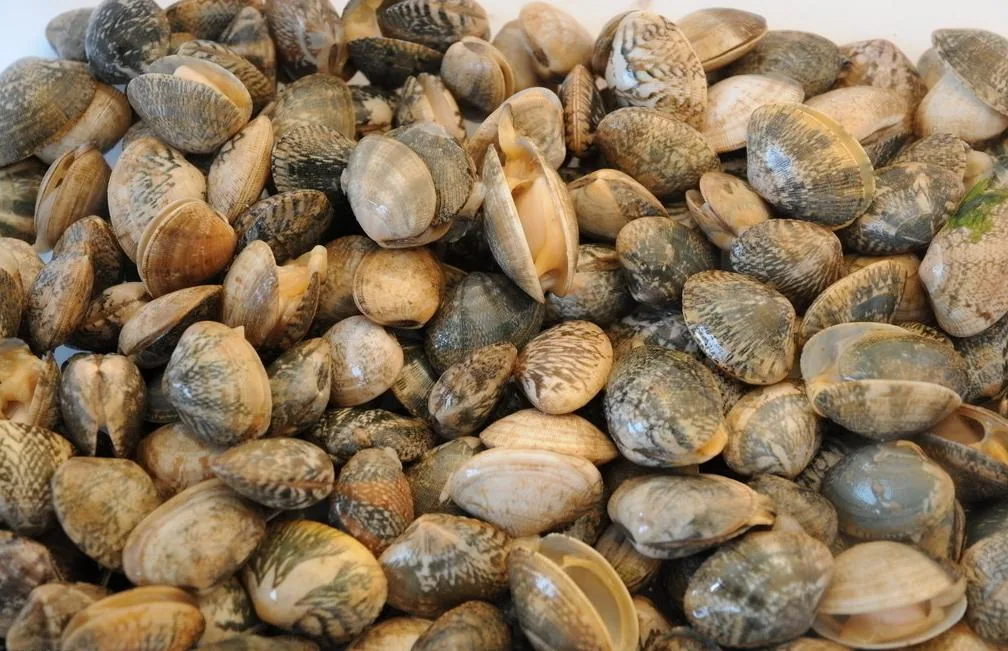
Seafood is a high-risk food prone to spoilage and food poisoning in summer; eat or refrigerate it promptly after purchase, do not leave cooked seafood out for more than two hours before eating, and avoid eating it raw. When dining out, choose restaurants with good hygiene, and reduce or avoid eating at roadside stalls.