
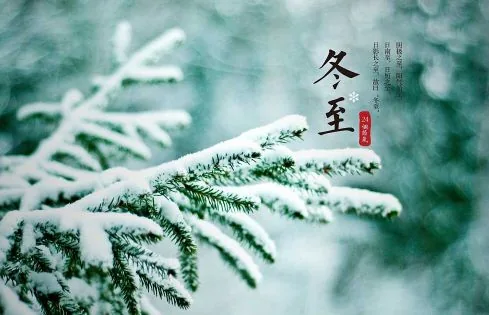
The Winter Solstice — also called the “Winter Festival” — is one of the 24 solar terms of the Chinese calendar. On this day the sun’s overhead position reaches its southernmost point of the year, the daylight is shortest in the Northern Hemisphere, and the further north you go the shorter the day.
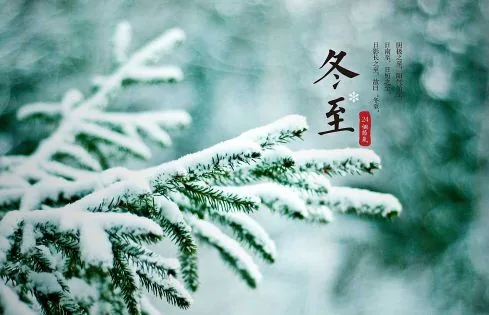
The Winter Solstice has very ancient origins. From the Shang to the Qin dynasty it was at times taken as the start of the year, and the custom of “observing the Winter Solstice” existed even before the Zhou. It was formally fixed as the “Winter Festival” in the Han, flourished in the Tang and Song, and has been observed ever since. In the Han dynasty the government held a congratulatory ceremony; from the emperor down to the officials, work stopped, markets closed, and everyone took three days’ holiday to celebrate — no less lively than the New Year.
In China there is a custom of eating dumplings at the Winter Solstice, as the saying goes: “On the first of the tenth month, the Winter Solstice arrives; every household eats dumplings.” In southern China, however, people generally eat sweet rice balls, wontons or New Year rice cake.
So why eat dumplings at the Winter Solstice?
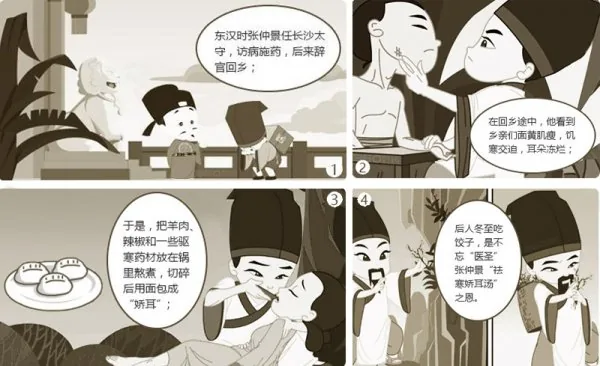
As for the origin of dumplings, the folk version people most enjoy is that Zhang Zhongjing invented “tender-ear soup” to drive out cold and treat illness.
In fact, in the 1970s and 1980s, dumplings were found in Tang tombs at Astana village in the Turpan region of Xinjiang, in a Three Kingdoms–era tomb in Zhong County of Chongqing, and in a Spring-and-Autumn tomb in Tengzhou, Shandong. From the archaeological evidence, then, dumplings have a history of more than two thousand years in China. But they were not always called “jiaozi” — they were called “huntun” (wontons). In the north, dumplings and wontons are two different things, while the south kept the older usage.
The scholar Joseph Needham noted in his history of ancient Chinese scientific thought that “the oldest surviving trace of ‘chaos’ (huntun) is the wonton commonly eaten by Chinese people today.” The Classic of Mountains and Seas tells how, in the beginning, heaven and earth were a formless chaos like an egg, within which Pangu was born; later Pangu emerged from the chaos, separated heaven and earth and created the world. Whether the wrapper is the square of a wonton or the round of a dumpling, folding filling inside symbolises that primal chaos of heaven and earth wrapped into one.
The original meaning of the Winter Solstice is the start of a year — the daylight begins to lengthen, carrying a special sense of heaven and earth reopening and all things sprouting anew. So on this day, biting into a wonton means opening up a new world. In the Chinese mind, the importance of eating it lies not in filling the stomach but in a solemn, sacred rite of inviting fortune, longevity and good luck.
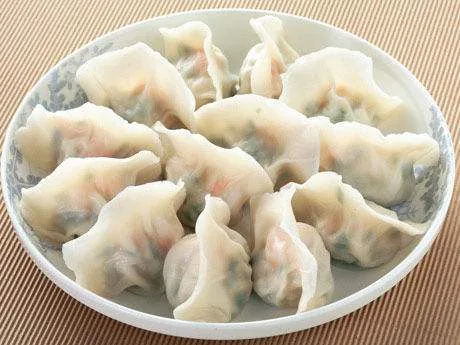
How to eat Winter Solstice dumplings
Go easy on fatty-meat dumplings. Many older people feel “fatty meat is fragrant and tasty, so there must be plenty in the dumplings.” This is mistaken: eating too much fatty meat readily leads to cardiovascular problems such as high blood lipids, high blood pressure and gallstones. So eat fewer fatty dumplings — use less fatty meat and more vegetables. Tips: 1) one part meat to three parts un-squeezed vegetables makes the best filling; 2) slice the vegetables rather than chopping them, to lose less juice; 3) use 90%-lean meat; 4) cut down on oil and salt.
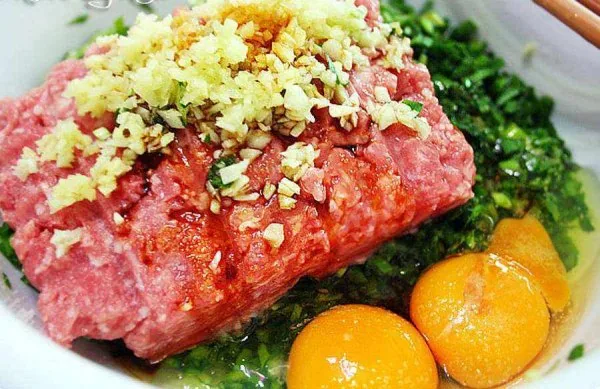
Moderate oil and salt are healthier. Besides too much fatty meat, some families like to add a lot of oil when making dumplings; in fact, too much oil makes them cloying. Adding more salt or soy sauce improves the taste, but you also take in more salt — and more salt raises blood pressure. So use a moderate amount of oil and little salt for healthier dumplings.
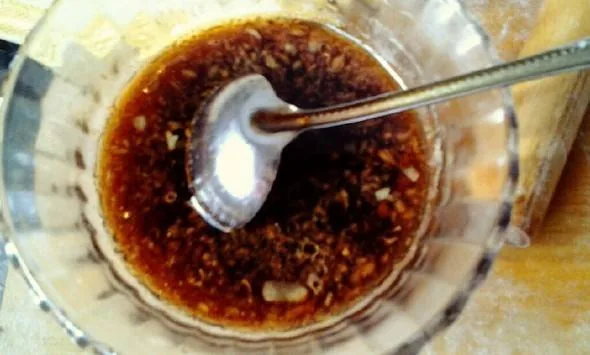
A little vinegar-and-garlic makes them tastier. Vinegar and garlic are the dumpling’s “companions.” Many people fear the smell of garlic, but you can mash it into a paste and rinse your mouth after the meal — healthy, delicious and nutritious.
Making them yourself brings more joy. As living standards rise, many people like to buy quick-frozen dumplings at the supermarket — convenient and clean. But eating dumplings at the Winter Solstice is really about heartfelt sentiment: gathering with family to make and eat dumplings together. Such warm moments are worth treasuring, so the best dumplings are still the ones the whole family wraps at home.